Cloud-Based HR Software Solutions: A Complete Guide for 2025 Full Specification
Category: News
-
Sub Category: Technology
- Product Name: Cloud-Based HR Software Solutions: A Complete Guide for 2025
Unlike traditional on-premises HR systems, cloud-based solutions allow companies to centralize their HR functions online, reduce IT costs, and improve employee experiences. From small startups to global enterprises, these solutions are reshaping the way businesses manage talent, performance, and compliance.
What is Cloud-Based HR Software?
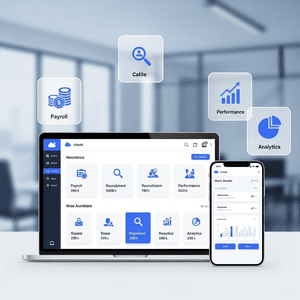
Cloud-based HR software is a human resources management system (HRMS) that runs on secure online servers rather than company-owned hardware. Businesses and employees can access the platform anytime, anywhere, through web browsers or mobile apps.
These platforms often combine multiple HR functions into one system, such as:
-
Payroll and tax compliance
-
Employee onboarding and offboarding
-
Time and attendance tracking
-
Performance management
-
Recruitment and applicant tracking systems (ATS)
-
Learning and development modules
The cloud model eliminates the need for complex IT infrastructure, enabling even small companies to leverage enterprise-level HR technology.
Benefits of Cloud-Based HR Software Solutions
Adopting cloud HR tools delivers significant advantages across multiple areas:
-
Cost Savings – No need for expensive on-premises servers or IT teams.
-
Scalability – Add or remove users easily as your business grows.
-
Accessibility – Employees and HR managers can log in anytime, from any device.
-
Automatic Updates – Vendors handle upgrades and new features automatically.
-
Data Security – Most providers offer encryption, GDPR compliance, and secure backups.
-
Improved Decision-Making – Analytics dashboards help HR leaders make data-driven choices.
By centralizing processes, businesses reduce administrative work and focus more on strategic HR initiatives like employee engagement and workforce planning.
How Cloud HR Differs from On-Premises HR Systems
Many organizations still rely on older, on-premises HR systems. However, there are clear differences:
-
Deployment: On-premises requires servers and installation, while cloud-based runs online.
-
Maintenance: Cloud providers manage updates, while on-premises systems need internal IT.
-
Accessibility: Cloud is accessible globally, while on-premises access is limited.
-
Costs: Cloud follows a subscription model (OPEX), while on-premises requires large upfront costs (CAPEX).
For companies with distributed teams, cloud HR software clearly offers more flexibility and efficiency.
Key Features of Cloud-Based HR Software
Modern cloud HR systems are packed with features that cover the employee lifecycle:
-
Payroll & Tax Automation – Ensures compliance with local labor laws.
-
Recruitment & ATS – Streamlines candidate sourcing, screening, and onboarding.
-
Time & Attendance Tracking – Monitors employee schedules and leave requests.
-
Performance Reviews – Provides continuous feedback and evaluation.
-
Learning Management – Supports employee training and career development.
-
Self-Service Portals – Empowers employees to update personal data and access pay slips.
The ability to integrate all these features into one platform helps reduce duplication and errors.
Cloud HR for Small Businesses
Small and medium-sized businesses (SMBs) often think HR software is only for large enterprises. But cloud solutions have changed the game.
-
Affordable subscription pricing
-
Easy setup without complex IT resources
-
Scalable plans for growth
-
Mobile apps for managers and employees
For SMBs, cloud HR ensures compliance, saves time, and frees leaders to focus on scaling the business rather than paperwork.
Cloud HR for Enterprises
Enterprises benefit from advanced features like:
-
Global payroll compliance across multiple countries
-
AI-powered talent analytics
-
Integration with ERP systems like SAP or Oracle
-
Multi-language and multi-currency support
Large organizations use these solutions to standardize HR processes worldwide and maintain real-time visibility across regions.
The Role of AI in Cloud-Based HR Software
Artificial intelligence (AI) is revolutionizing HR systems:
-
Smart Recruitment – AI scans resumes and matches candidates to job requirements.
-
Employee Retention – Predictive analytics spot employees at risk of leaving.
-
Chatbots – Provide instant employee support for HR queries.
-
Performance Insights – AI evaluates workforce productivity trends.
AI integration allows HR departments to shift from administrative tasks to strategic, people-first initiatives.
Security Concerns in Cloud HR Solutions
Data security is a common concern when adopting cloud systems. Leading providers address this by:
-
Using SSL/TLS encryption for all data transfers
-
Offering multi-factor authentication (MFA)
-
Storing data in ISO-certified data centers
-
Ensuring GDPR, HIPAA, and SOC 2 compliance
Businesses should always review vendor certifications before choosing a solution.
Integration with Other Business Tools
Cloud HR systems integrate seamlessly with other tools, such as:
-
Accounting software (QuickBooks, Xero)
-
Project management tools (Asana, Trello, Jira)
-
Collaboration platforms (Slack, Microsoft Teams)
-
ERP systems (SAP, Oracle, NetSuite)
This creates a single source of truth for business operations, reducing silos between departments.
Popular Cloud-Based HR Software in 2025
Here are some leading platforms businesses are using:
-
BambooHR – Best for SMBs with intuitive dashboards.
-
Workday – Enterprise-level HR and finance integration.
-
ADP Workforce Now – Payroll-focused with global compliance.
-
Gusto – Great for startups with simple payroll.
-
SAP SuccessFactors – Best for multinational corporations.
-
Zoho People – Affordable HR suite for growing companies.
Each platform has strengths, so businesses should align features with their organizational needs.
Challenges of Adopting Cloud HR
Despite benefits, companies may face challenges:
-
Employee Resistance – Staff may be slow to adopt new systems.
-
Customization Limits – Some platforms may not fully match unique workflows.
-
Vendor Lock-In – Migrating data to a new provider can be complex.
-
Cost Scaling – Subscription fees grow with company size.
Proper training, clear communication, and choosing the right vendor help overcome these issues.
Cloud HR Trends in 2025
The future of cloud HR is shaped by these trends:
-
AI & Machine Learning for predictive analytics
-
Mobile-first HR platforms for remote employees
-
Employee Experience (EX) tools to boost engagement
-
Data-driven DEI initiatives for inclusive workplaces
-
Integration with wearable tech for health and productivity insights
Businesses adopting these trends gain a competitive edge in talent management.
Real-World Example: Cloud HR in Action
A mid-sized IT company with 500 employees switched from spreadsheets to BambooHR. Within six months:
-
Payroll errors dropped by 70%
-
Employee satisfaction scores rose by 25%
-
Recruitment cycle time decreased by 40%
This case highlights how cloud HR directly impacts employee experience and business performance.
How to Choose the Right Cloud HR Software
When selecting a provider, businesses should consider:
-
Features: Does it cover payroll, recruitment, compliance, and learning?
-
Scalability: Can it grow with your workforce?
-
User Experience: Is the platform intuitive for employees?
-
Support: Does the vendor offer 24/7 assistance?
-
Compliance: Is the software aligned with labor laws in your region?
A trial period or demo is often the best way to test suitability.
Cost of Cloud HR Software Solutions
Pricing varies based on features and company size:
-
SMBs: $5–15 per employee per month
-
Enterprises: $30–100 per employee per month
-
Add-ons: Custom integrations and AI modules may cost extra
Though costs rise with scale, ROI is high due to improved productivity and reduced HR workload.
The Future of Cloud HR Software
As businesses embrace hybrid work, cloud HR solutions will become the norm. AI, machine learning, and automation will take over repetitive HR tasks, allowing HR leaders to focus on human-centric strategies like well-being, culture, and retention.
By 2030, most companies will rely entirely on cloud HR systems, leaving legacy platforms behind.
Conclusion
Cloud-based HR software solutions are transforming the way businesses manage people. From payroll automation to AI-driven talent insights, these tools empower organizations to be more agile, compliant, and employee-focused.
Whether you run a startup or a multinational corporation, investing in cloud HR solutions ensures your HR team can focus on what matters most: building a thriving, engaged, and productive workforce.
FAQs About Cloud-Based HR Software Solutions
Q1. Is cloud HR software secure?
Yes, leading vendors use encryption, MFA, and compliance frameworks to ensure data protection.
Q2. Can small businesses afford cloud HR systems?
Absolutely. Many platforms like Gusto and Zoho People offer affordable plans.
Q3. What’s the biggest advantage of cloud HR?
Accessibility—employees and managers can log in from anywhere.
Q4. Can I integrate HR software with payroll?
Yes, most platforms offer built-in payroll or integrate with accounting software.
Q5. How fast can cloud HR be implemented?
Implementation can take 2–12 weeks, depending on company size and complexity.